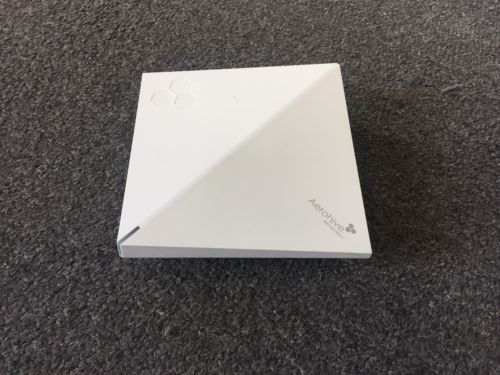
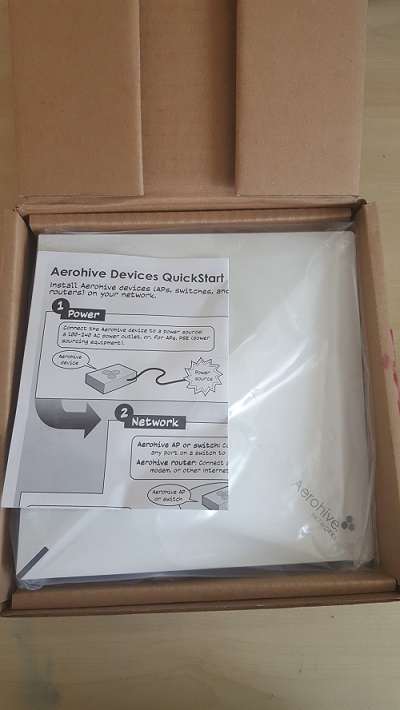
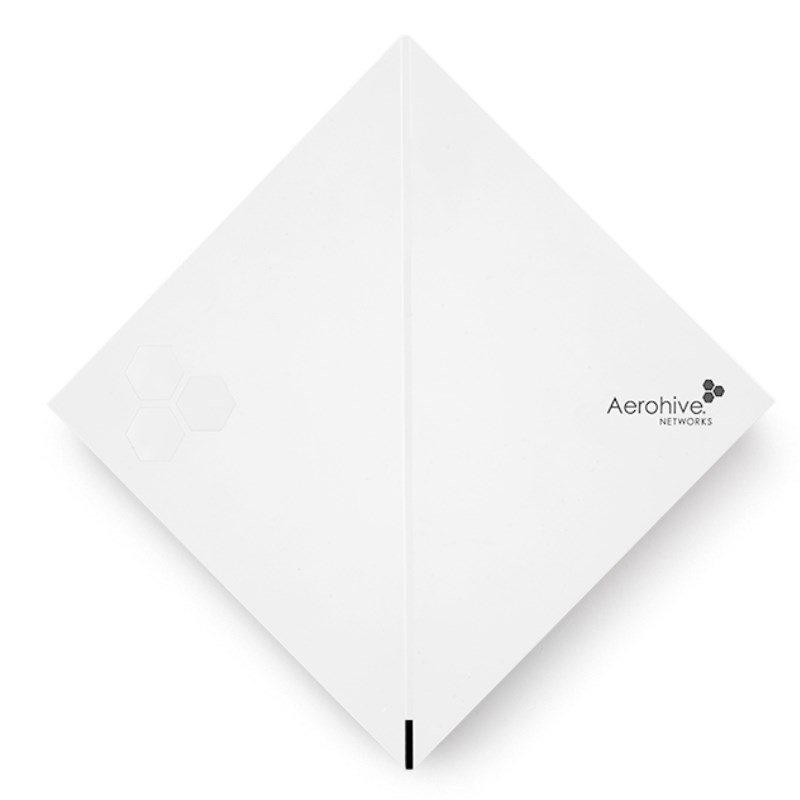
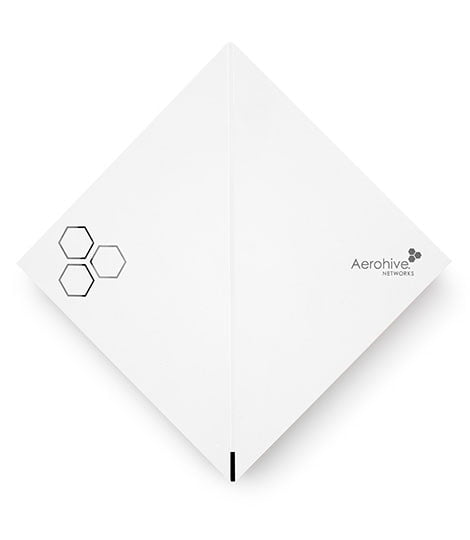
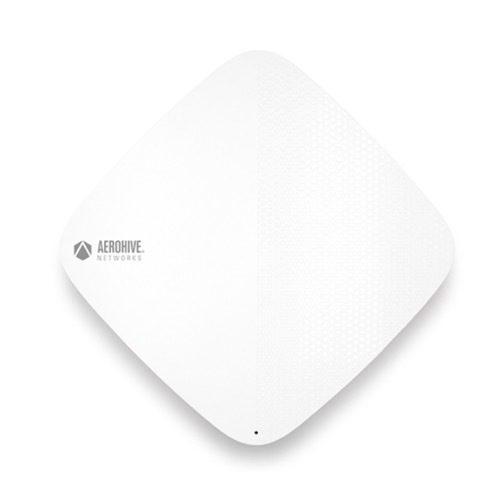
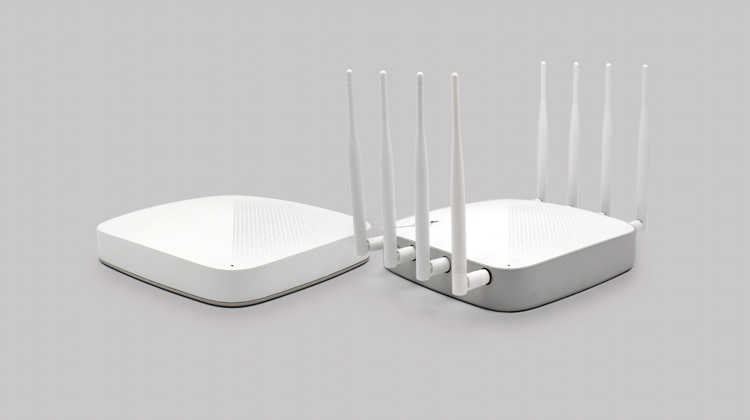
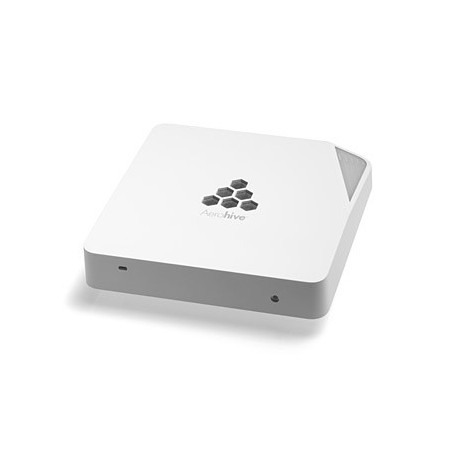
The HiveAP 320 provides both mesh and support for legacy 802.11a, b, and g clients, through Aerohive’s industry unique and resilient controller-less architecture.
Software Features
HiveOS
All HiveAPs support the feature-rich HiveOS service architecture. HiveOS is an implementation of Aerohive’s Cooperative Control Architecture which enables multiple APs to organize into groups or “hives,” that share control information enabling functions such as fast layer-2/ layer-3 roaming, cooperative RF management, security and mesh networking without requiring a dedicated system controller.
The resulting feature-rich capability enables a next generation wireless LAN architecture, called a Cooperative Control Wireless LAN Architecture. This architecture provides the benefits of a controller-based implementation, yet has a lower deployment/ownership cost, is more reliable, more scalable, higher performing and more suitable for today’s proliferation of wireless applications than controller-based architectures.
Network Management Solutions
Aerohive’s HiveManager NMS is a central management solution for Aerohive HiveAPs. HiveManager supports simple policy creation, firmware upgrades, configuration updates, and centralized monitoring throughout the entire Aerohive deployment, whether building-wide, campus-wide, or global - all from a single console.
Because the HiveManager is not actively involved in passing traffic or in making forwarding decisions, it eliminates the traffic bottlenecks and complexities of controller-based solutions, particularly in geographically distributed environments. As a result, control is distributed, while management is centralized. Essentially, the HiveManager solution delivers the benefits of both autonomous APs and controller-based solutions, without the drawbacks of either approach.
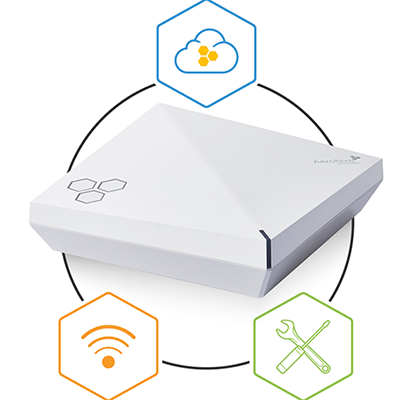
Aerohive’s HiveManager NMS can be delivered two ways:
- HiveManager Online—a cloud-based management service from Aerohive
- HiveManager VMware virtual appliance—an on-premise VM management solution

 -23%